I have to be honest I didn’t really have many preconceived ideas about India prior to my visit.
I knew that it was probably a sensible idea to do an organised tour, that traveling in India as a solo female wasn’t the best idea, even for an ‘older’ female (god, it pains me to have to write that! 😳😀) I knew that Delhi was quite polluted, but I hadn’t done much reading about the country, which is unusual for me. I put this down to the fact that I was doing an organised tour so felt a little less inclined to do as much research, I had some helpful tips from a friends daughter, which came in very handy.
Nearly everyone I spoke to that had visited only had positive things to say about India, many saying it was one of their favourite places.
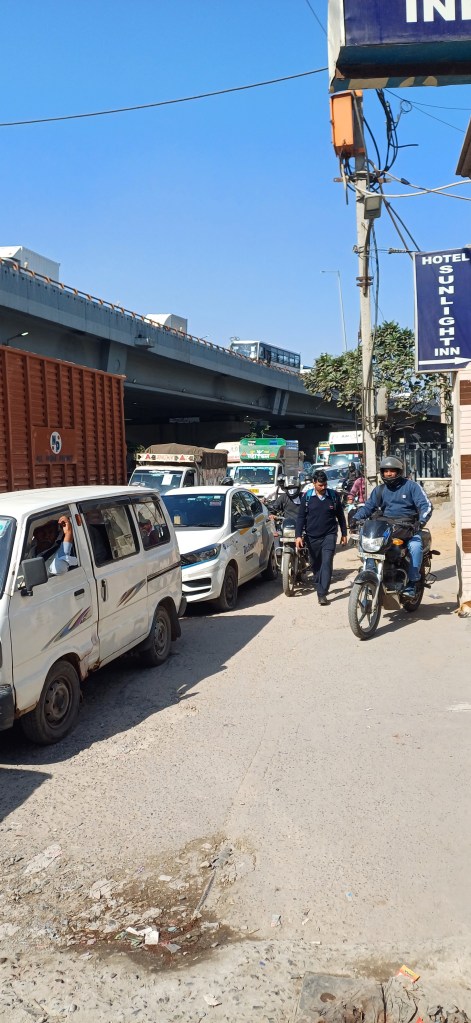
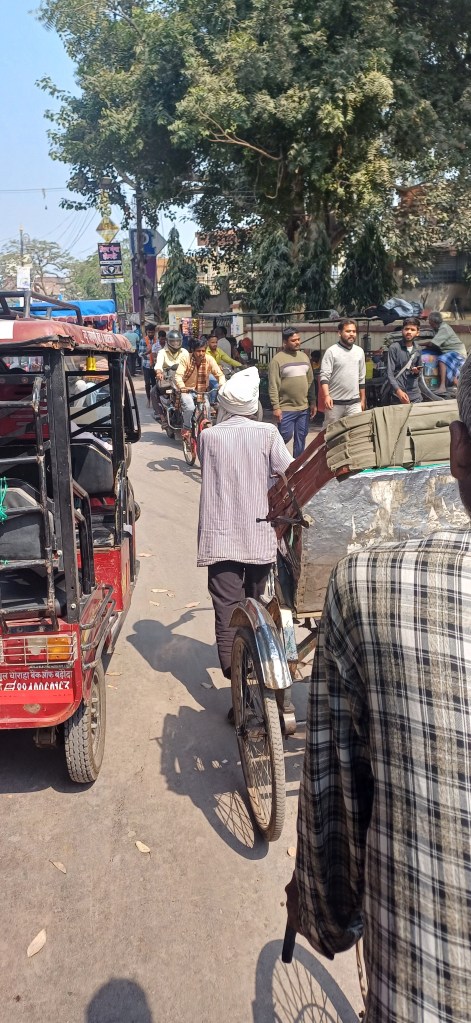
My initial impression of India and of Delhi weren’t that bad, the traffic was bonkers, but that’s nothing new to me, the hotel I stayed in was very pleasant and my first few outings were also not too bad.
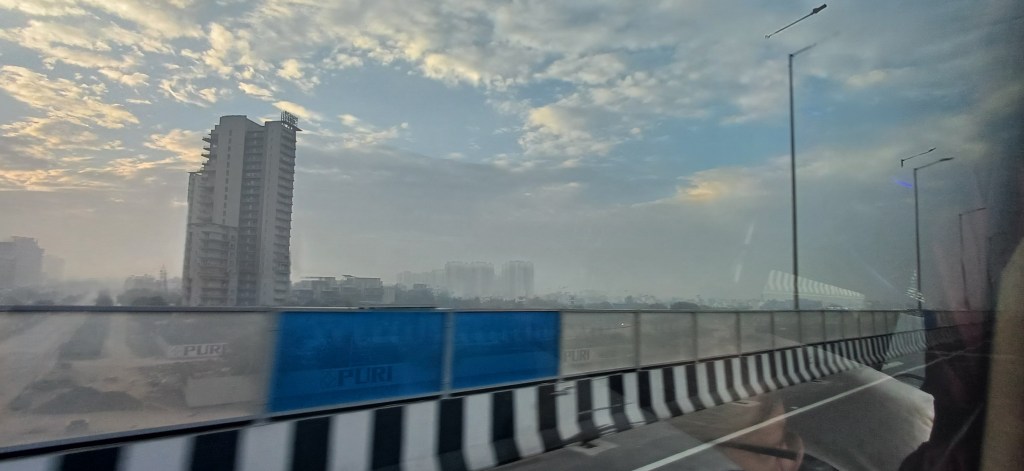
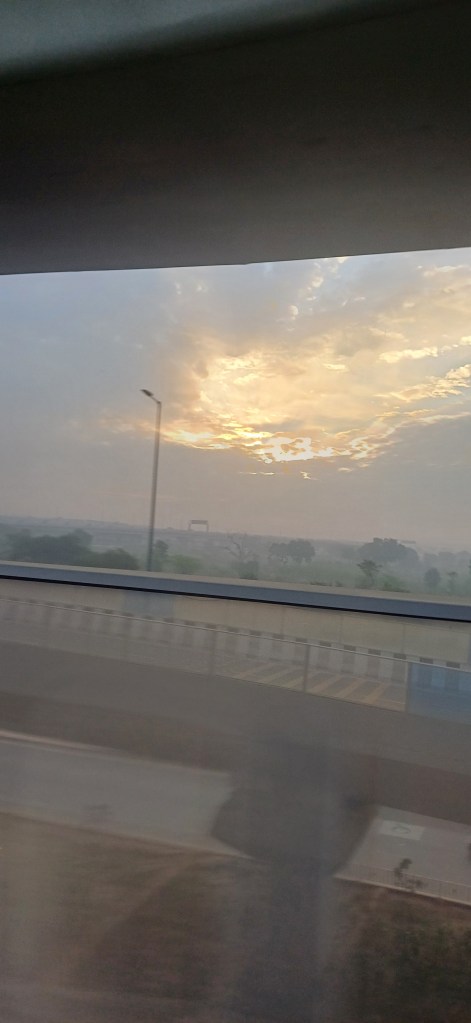
I was in Delhi at a time of year that usually sees less pollution, so although it was polluted it didn’t seem quite as bad as I’d expected.
The previous few months are when crops are being burnt and pollution is horrendous.
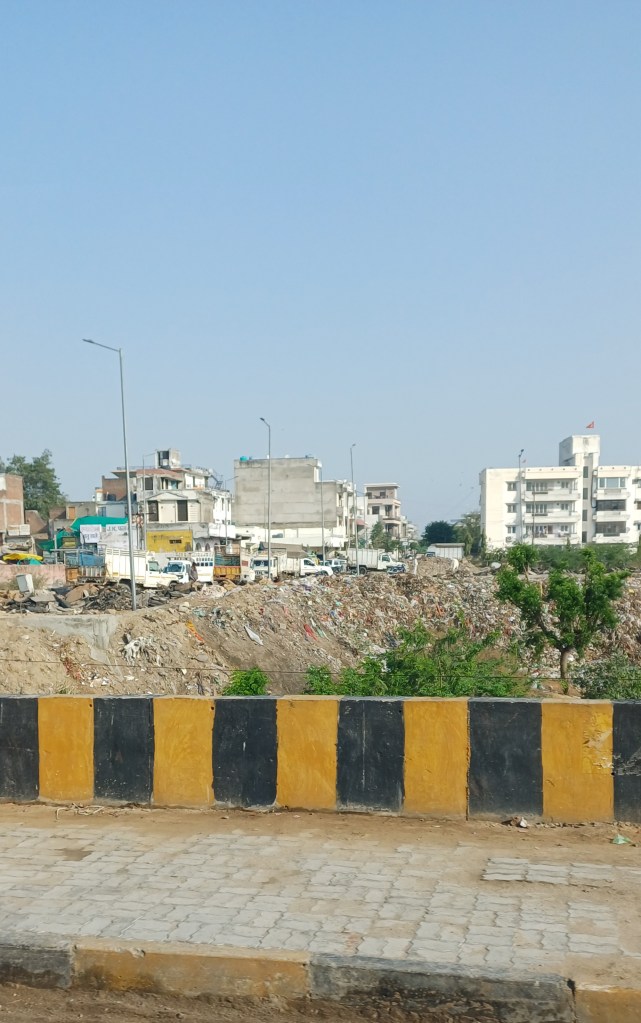
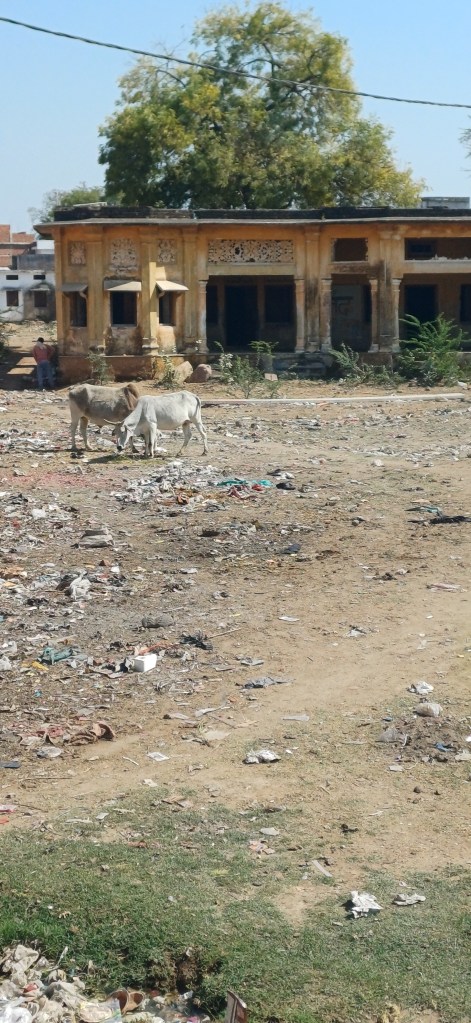
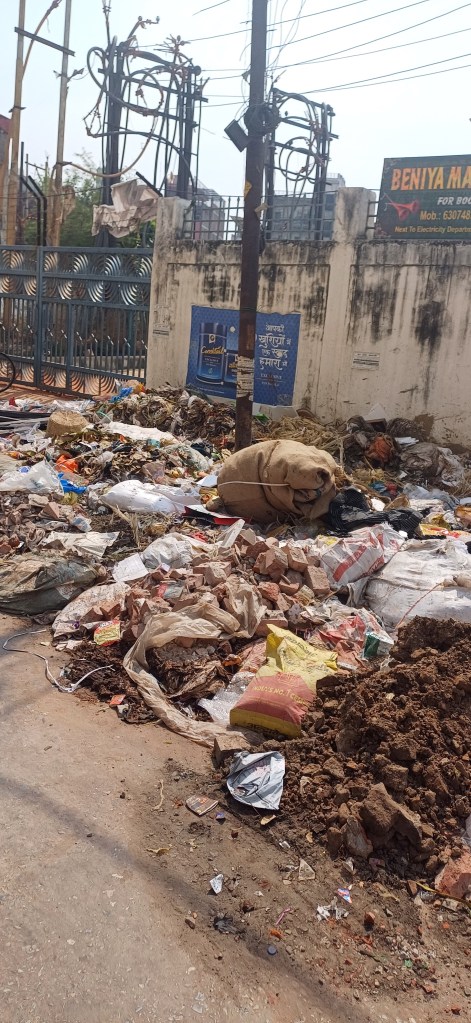
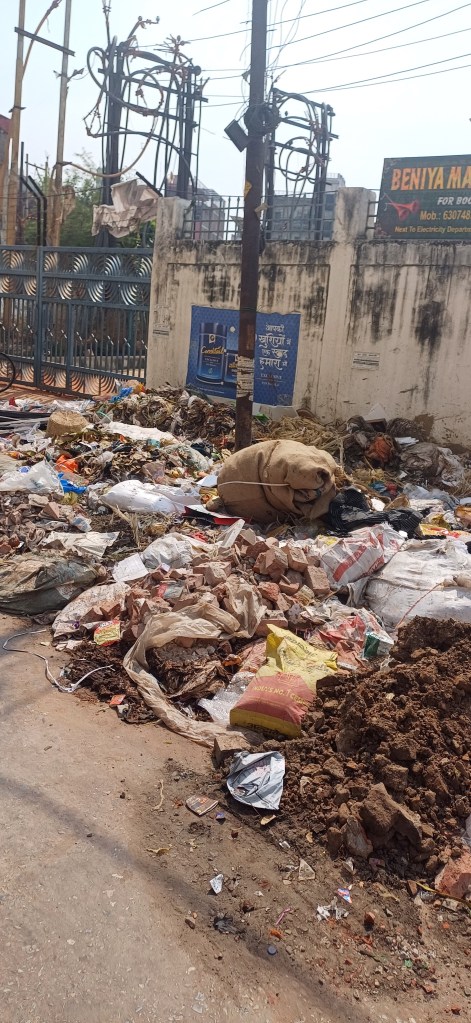
You do notice the rubbish almost immediately, as it’s everywhere.
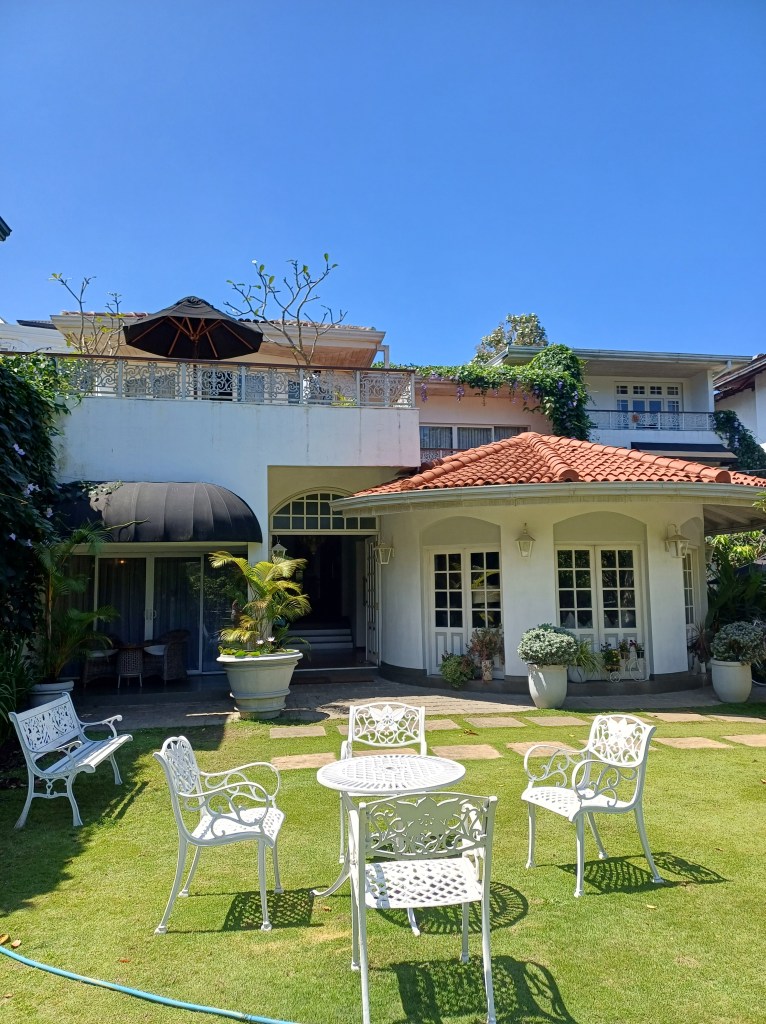
At this point I think I need to acknowledge that at the beginning I was pretty sheltered from the ‘real’ Delhi experience. My hotel was in a very upscale residential area called ‘Defence Colony’ this is in a part of New Delhi with wide tree lined streets. It was built in the 1960s for veterans of India’s Armed Forces. It is now home to people from the entertainment and political sector. It has art galleries, coffee shops & parks also slightly less rubbish!
I had found the hotel on a list of the best places to stay in Delhi by The Sunday Telegraph. (It was the cheapest one they recommended 😀)
The other guests at the hotel were predominantly British, my age or older, retired and not traveling on a budget! They were doing organised tours but with more upscale organisations than G Adventures, who I used. This is not a criticism at all, but I feel it’s important to note.
In these first few days I did a couple of tours, but I did them with a male guide and driver, organised by the hotel. This makes a big difference. It meant that when we were walking through the area around Chandni Chowk for example, it felt exciting not intimidating or scary.
Things changed somewhat when I moved to the first Tour hotel further into Delhi and away from the relative luxury of ‘Defence Colony’
The hotel I arrived at felt like a massive drop in standards!
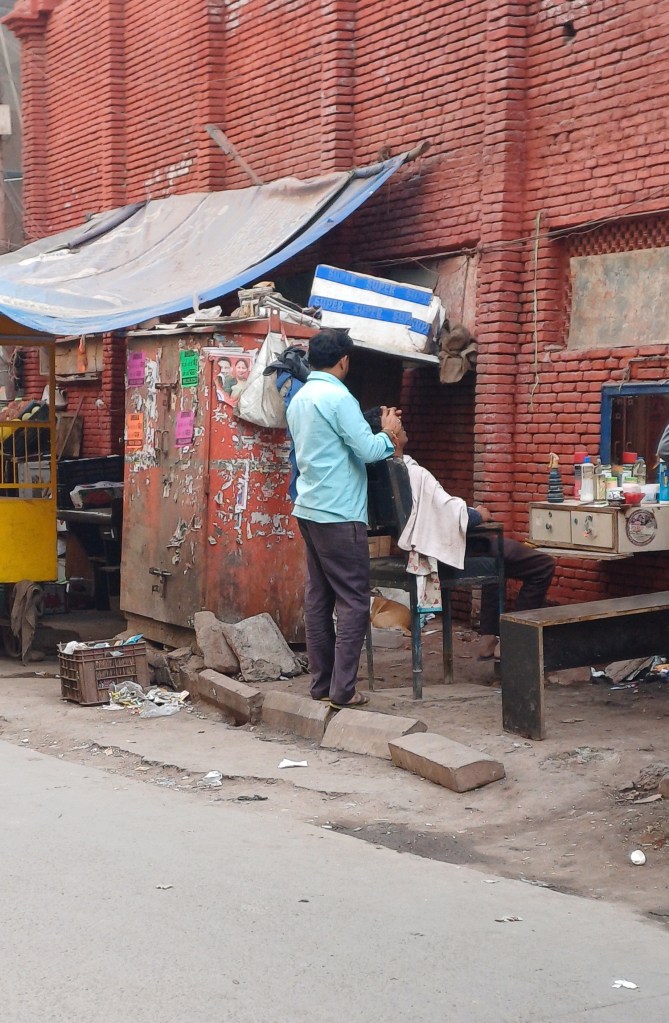
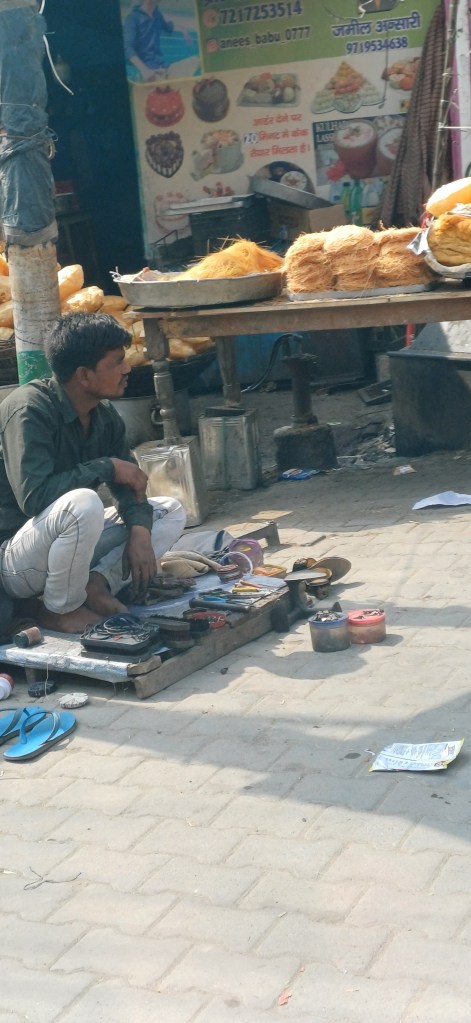
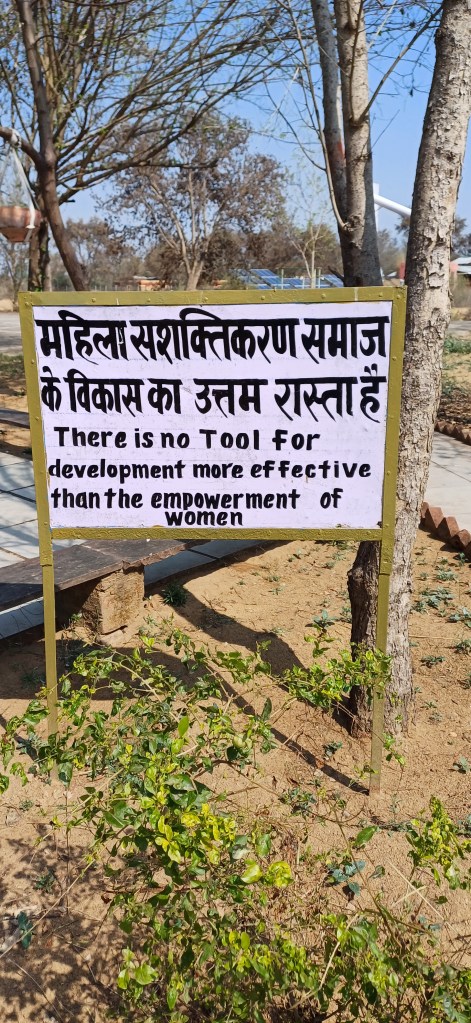
It was on a busy and insanely noisy, dirty street, men were everywhere, no women in sight. All the staff in the hotel were men. I think it was here that I started to note the distinct lack of females on the streets or in the hotels, shops etc.
There are so many things to say and reflect on from my time in India so it might be easier if I try to break it down a little.
I’ve got so used to writing things chronologically that it seems that’s what I’ve started to do again!
Firstly, I think I’d like to reflect on India’s pollution and how dirty it is.
Unless you have been there it is difficult to convey exactly how filthy, rundown and polluted the country is.
I spent my whole time in India travelling around the north, in the areas of Rajasthan, Utter Pradesh, Madhya Pradesh and Haryana. All of these state’s feature in the top 10 most polluted areas of India. With Delhi being the most polluted city.
The air Quality Index, AQI states that readings of 50 or below represents good air quality.
51 – 100 represents moderate air quality.
101 – 150 represents unhealthy air quality for sensitive people.
150 – 200 then represents unhealthy.
200 – 300 represents very unhealthy.
Anything over 300 represents hazardous air quality.
Delhi rarely gets below 100, and in November 2024 it reached an AQI of 491!
During my time there in February it was an average of 121. Which to be honest is still not great. Today’s, (17.03.25) AQI is 162
The pollution is caused by a variety of factors.
- Diesel & Petrol
- Crop burning
- Open waste burning
- Industrial emissions
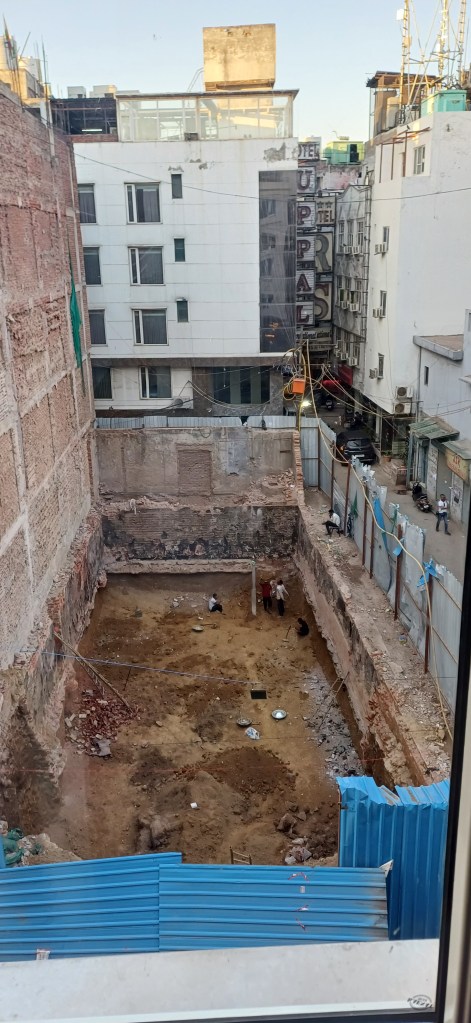
- Construction dust.
This is obviously worse during the period of crop burning, which happens more frequently as farmers rush to burn off rice residue in order to plant the next cash crop, wheat. Although this practice is deemed illegal it continues on a huge scale. The areas of Punjab, Haryana & Utter Pradesh are the main sources of this pollution.
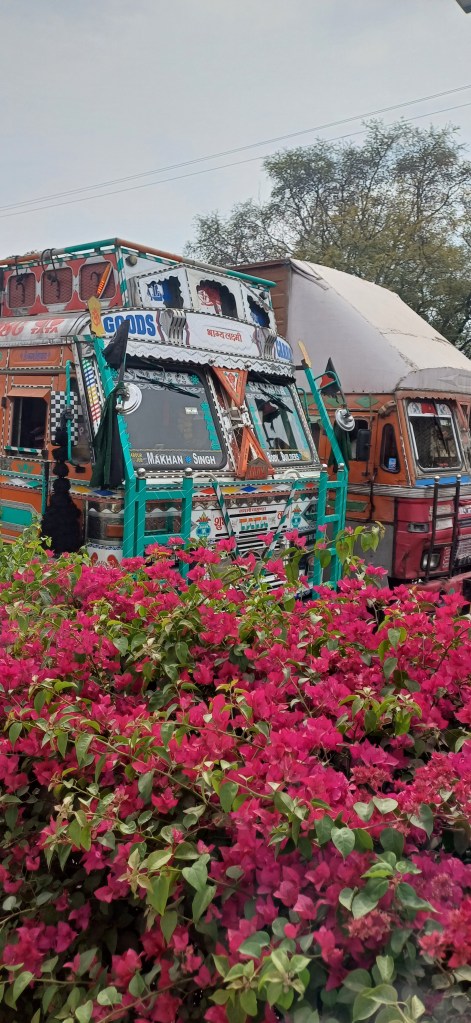
The traffic in India is insane especially in the cities. Freight is transported mainly by road, so lots of large, old trucks driving through the country. so it’s clear to see where that pollution comes from.
The areas surrounding Delhi are rapidly expanding, building is never ending, roads, apartments, shopping areas the list goes on, with a growing economy and a growing population this is not going to end any time soon.
The current population stands at 1.438 Billion this is nearly 18% of the world’s population.
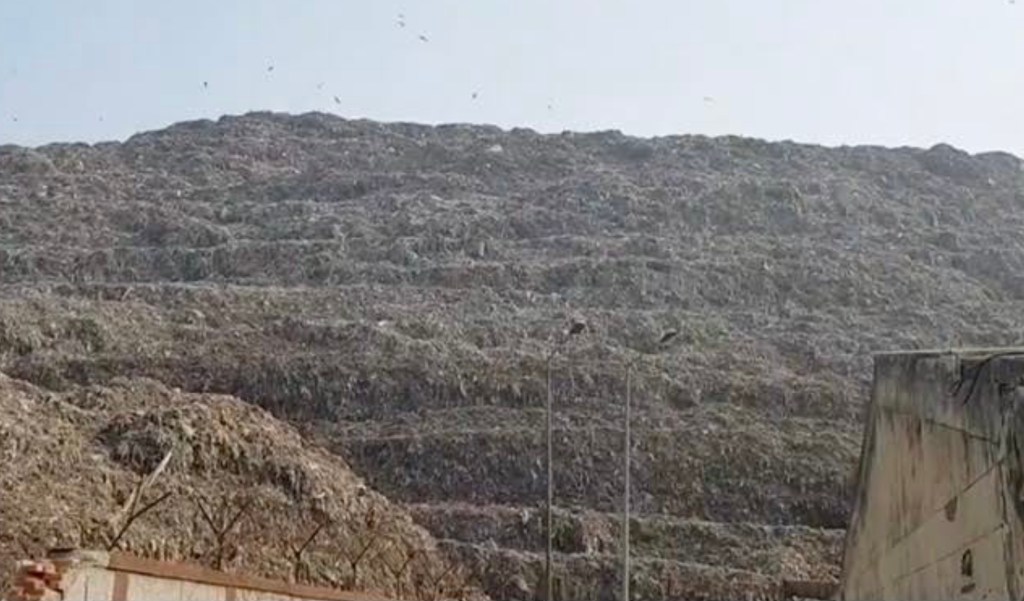
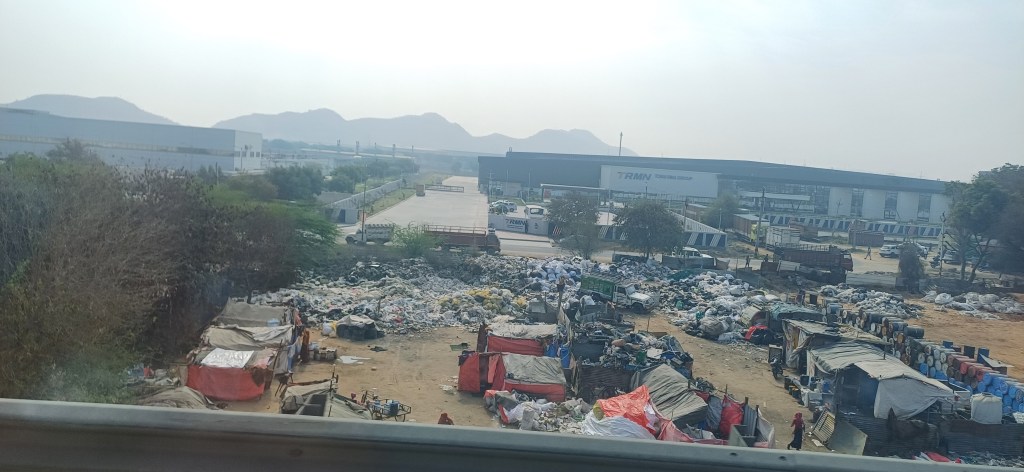
Open waste burning is something you see everywhere on a small scale, but then you see the huge waste mountains looming above you just outside Delhi, burning waste on a scale that is unbelievable.
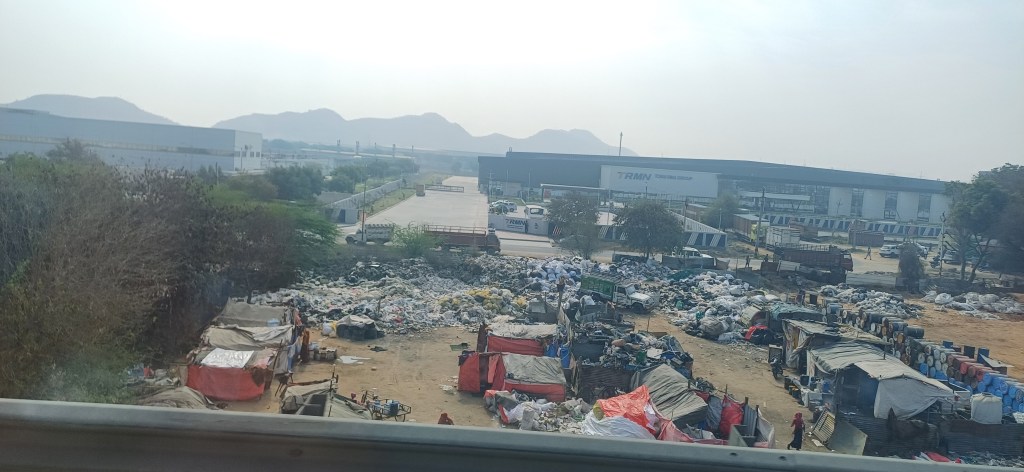
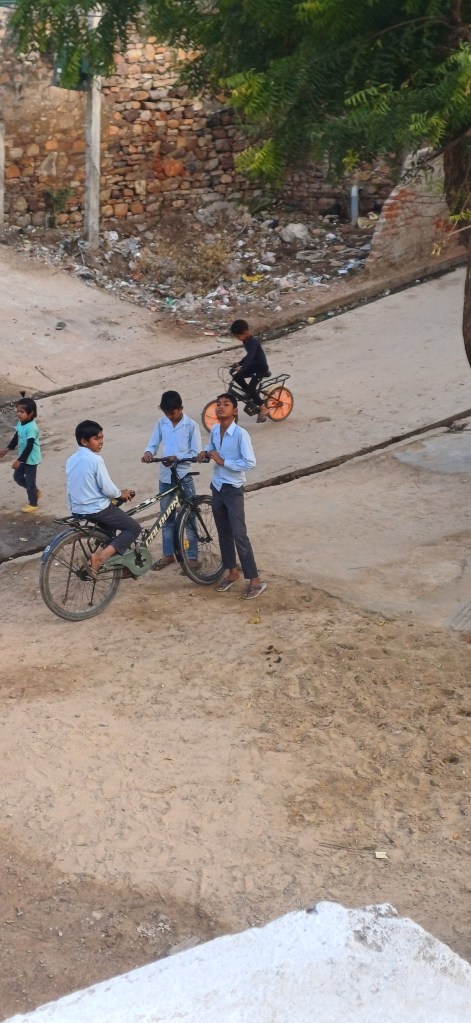
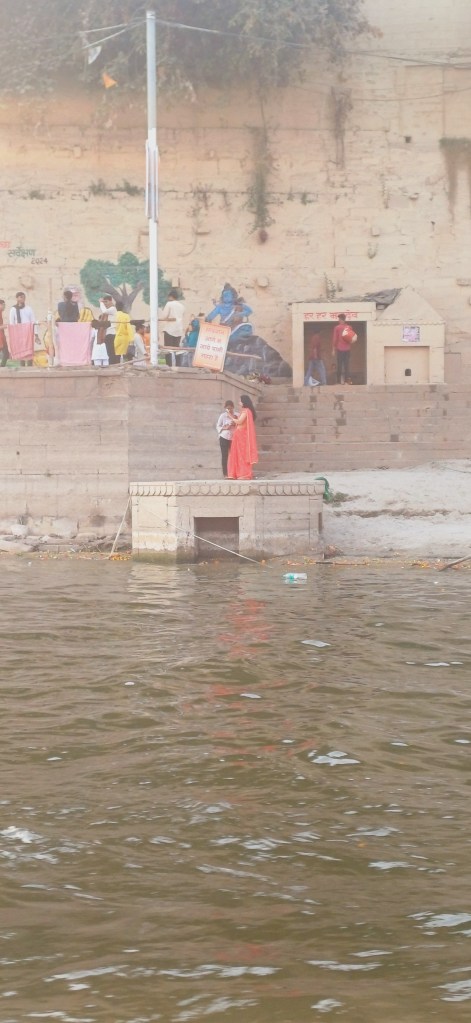
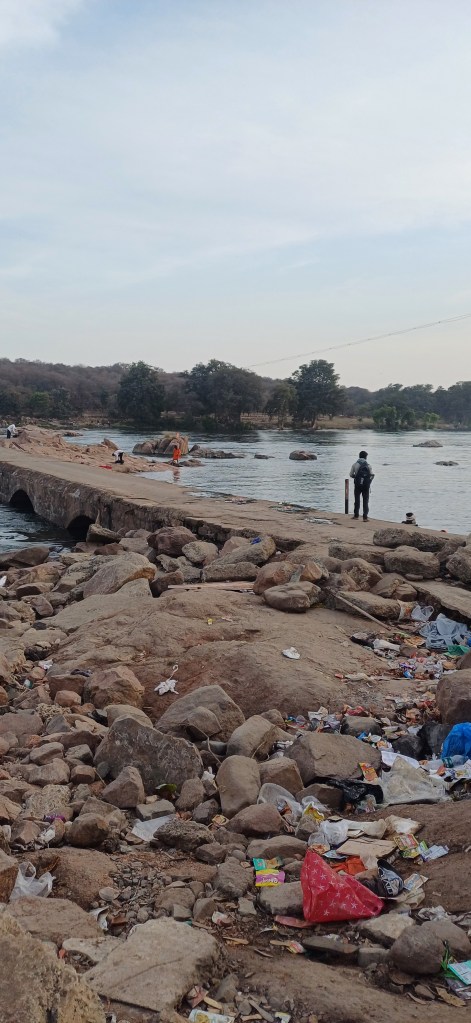
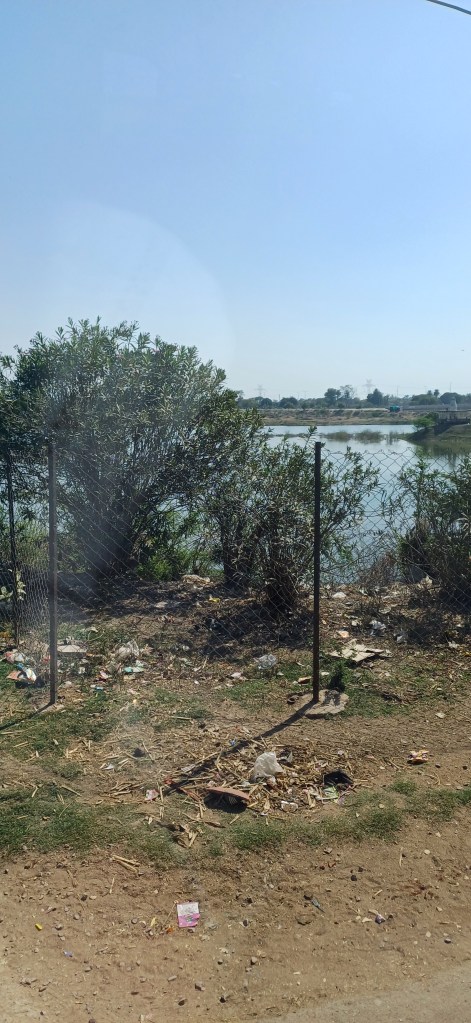
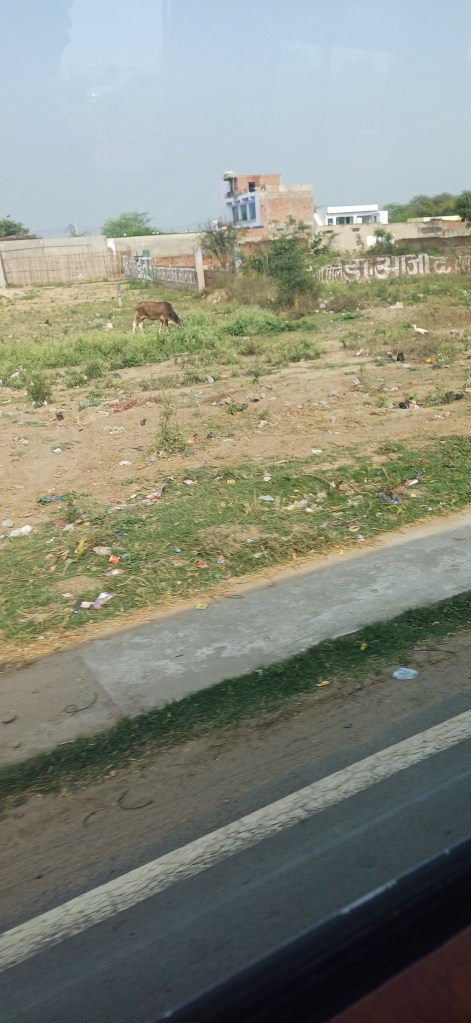
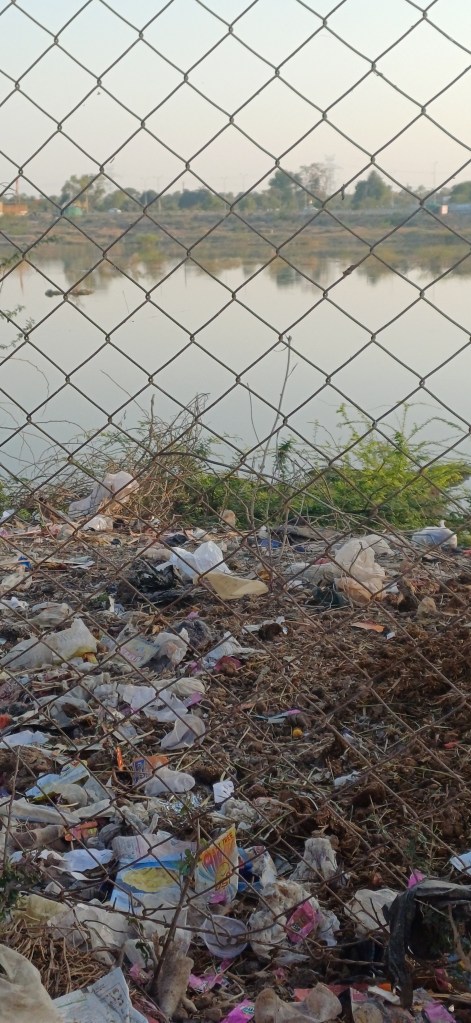
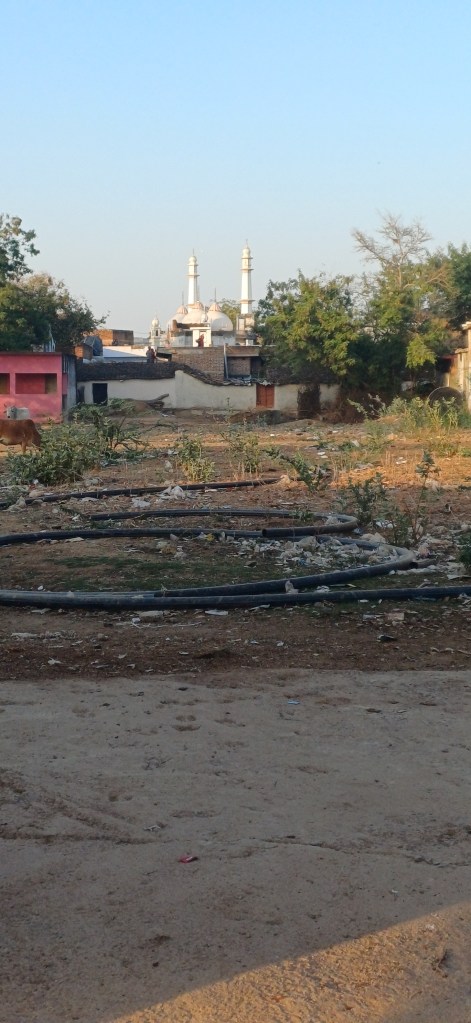
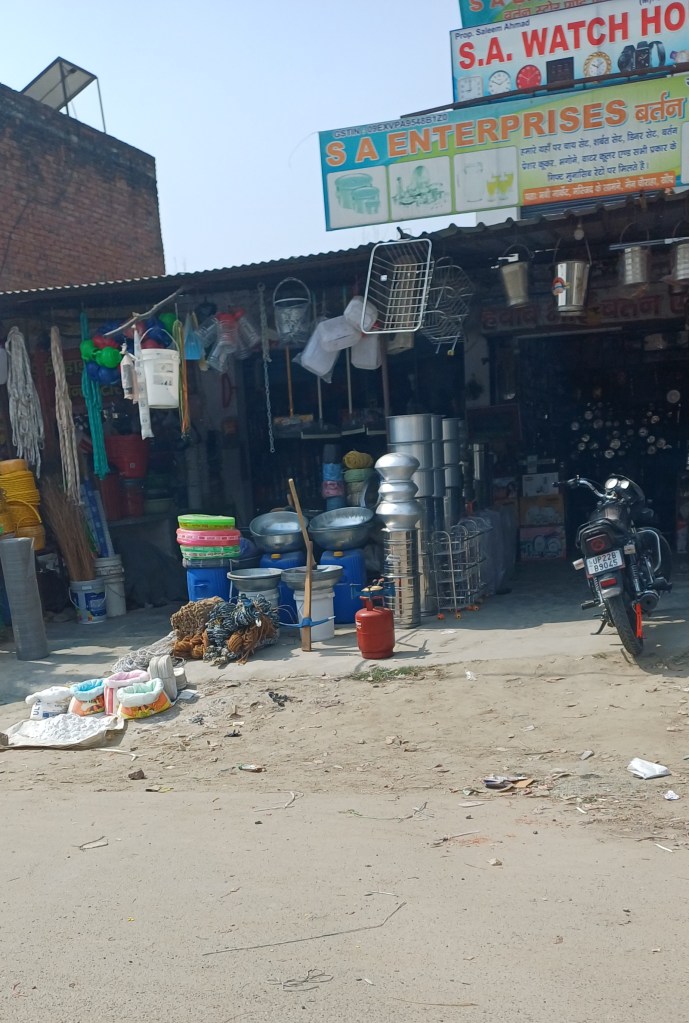
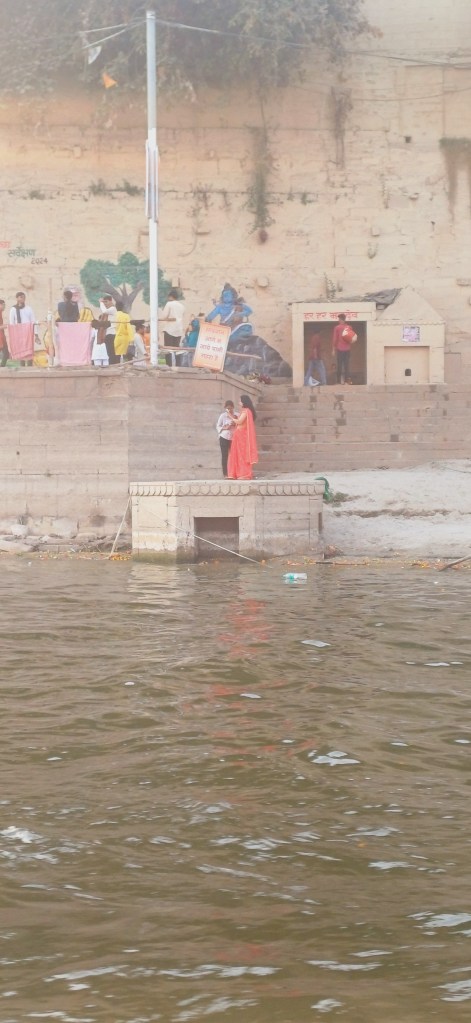
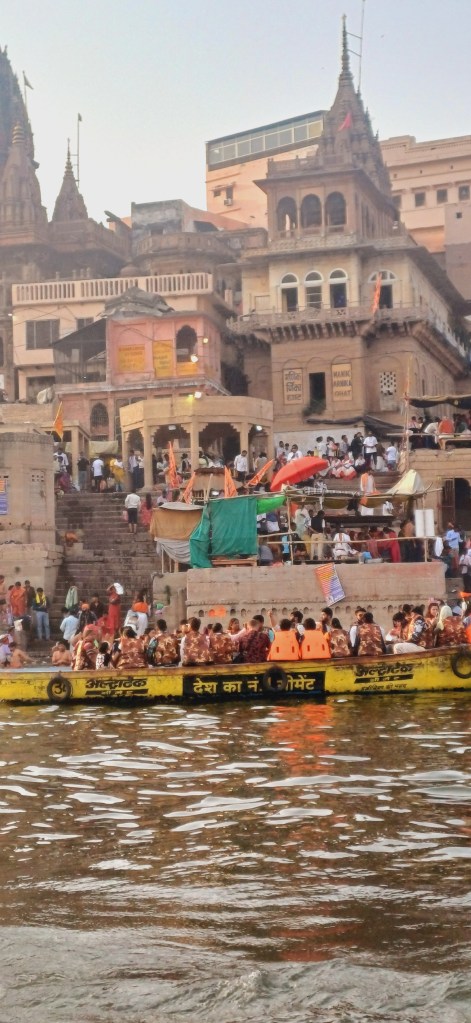
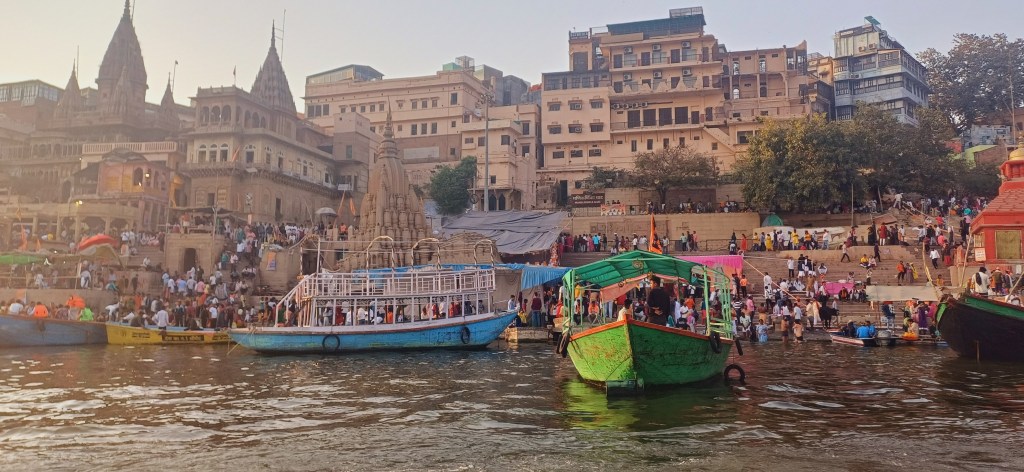
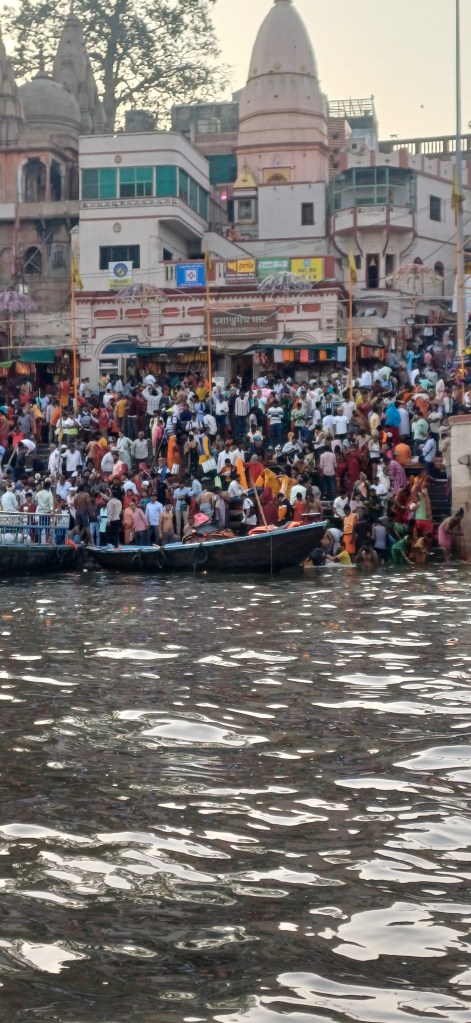
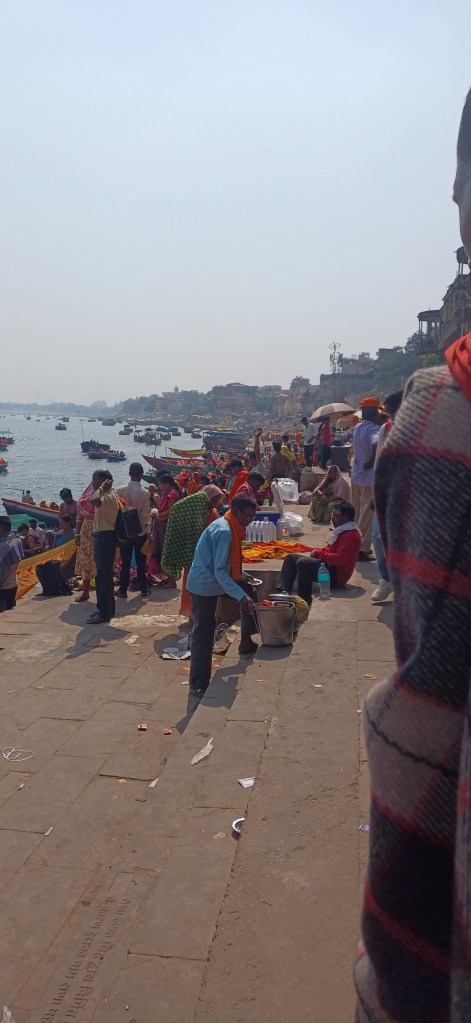
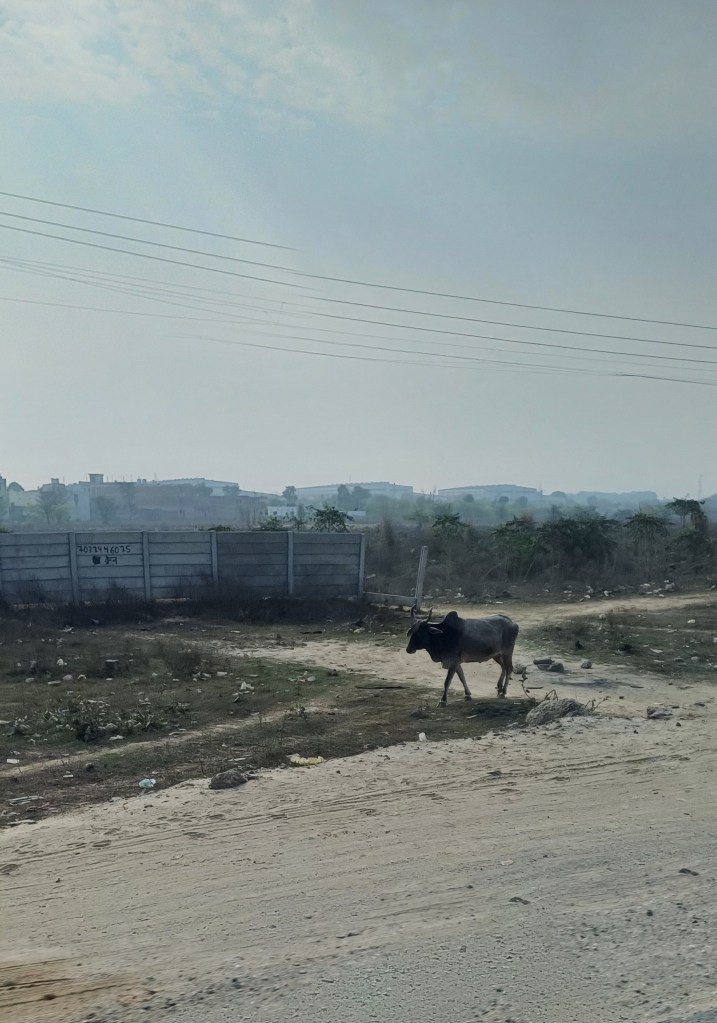
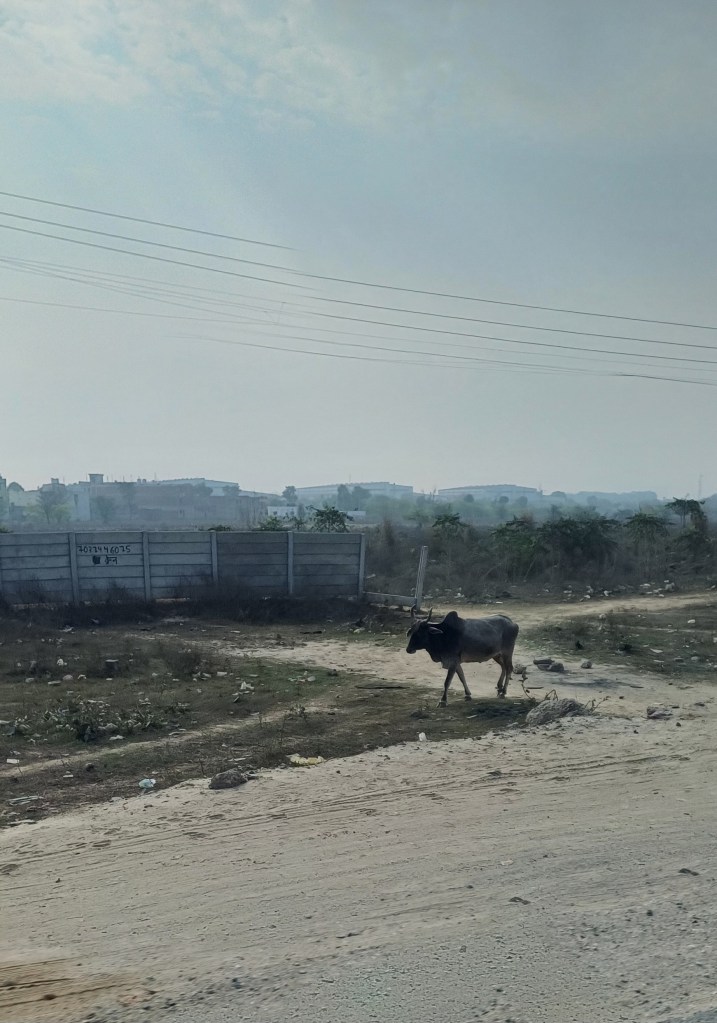
Plastic waste and rubbish is everywhere, on every street, by every road, in every body of water. It is like nothing I have ever seen before. In some cases you can see that it is several feet deep beside a road or beside a village. It is so prevalent that I think if you spent a lot of time in India you would start to not see it, or become immune to it.
It is estimated that air pollution shortens the average Indians life expectancy by between 2 – 5.3 years.
Tracey sent me a really interesting article/Ted Talk given by an Indian organisation called ‘The Ugly Indian’.
The talk centred on the issue of rubbish and filth on the streets of India, why it happens and why nothing gets done. The speaker acknowledged that some of it is due to the Indian mindset and he also referred to a couple of theories.
One from Criminology: ‘The Broken Window Theory’ This theory posits that visible signs of disorder and misbehaviour in an environment encourage further disorder, leading to serious crime. If your Neighborhood is filthy and covered in rubbish, this encourages further littering and disregard for the area.
The other theory is an economic one called ‘The Tragedy of the Commons.’ This describes a situation where shared environmental resources are overused and exploited, and eventually depleted posing risks to everyone. This theory can be used on a global scale to explain Climate Change and on a smaller scale to explain deteriorating neighbourhoods and littering.
The Ugly Indian have various ways of tackling this issue on a smaller scale, they do this without judgement and with the involvement of local people.
For example: Taking an area beside a housing development and outside a Wine shop. The area is used by lots of men, they then piss everywhere, spit Paan/Gutka residue everywhere (Paan/Gutka is a chewing leaf, which then creates saliva which is brown and gets spat everywhere) Rubbish is everywhere, the area is filthy and unpleasant. The Ugly Indian then clean the area, provide sanitary urinals, waste collection, seating and pleasant walkways. The area then looks attractive therefore people are less likely to abuse it.
They did the same thing to a filthy stinking underpass. The underpass was so revolting that people refused to use it, instead risking their lives crossing a very busy road. Once the underpass was cleaned, painted and made good, people started using it, seeing the benefit
to themselves they also then kept it clean and well maintained.
These examples were in Bangalore, but they have projects across India.
These are great ideas, and the projects are definitely having an impact on a small scale. I’m unsure how this will work on a country wide scale. Especially as it appears not to be a priority for the government. I certainly didn’t see anything like this is on my travels.
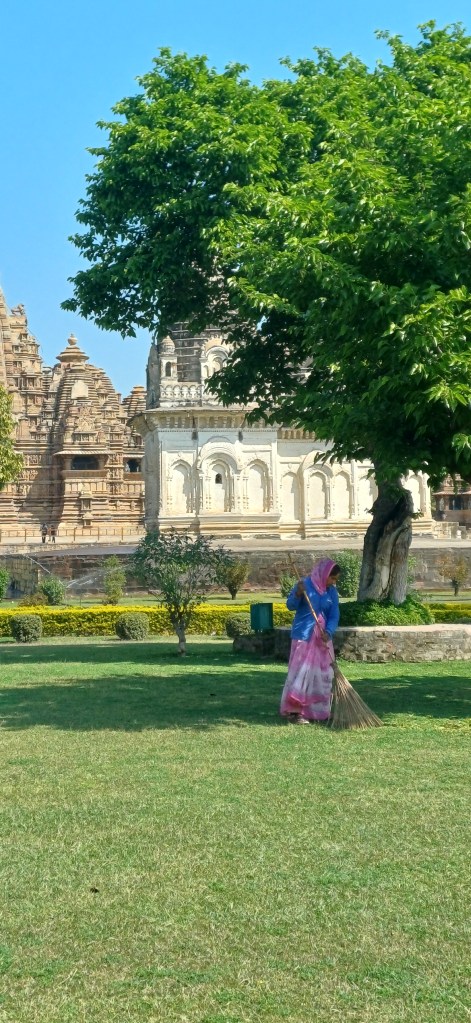
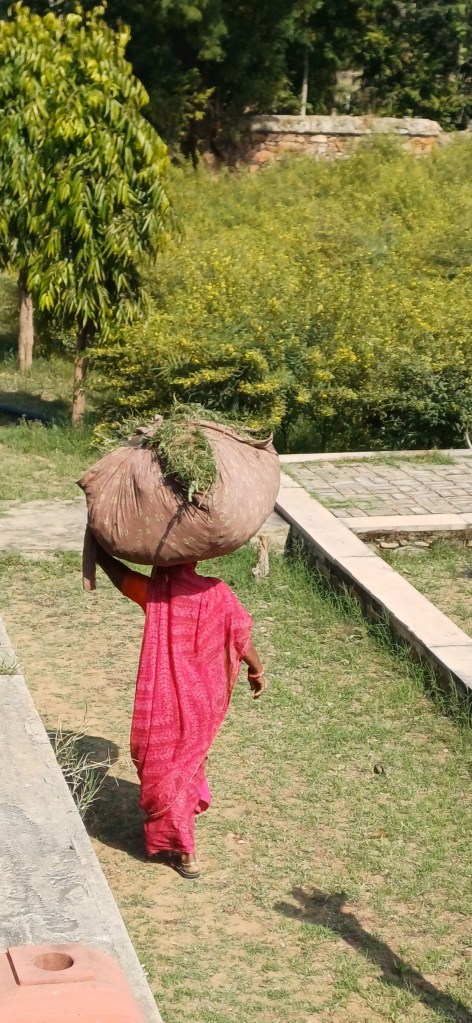
What I did see often was people sweeping their shop steps clean, and simply sweeping the rubbish into the road, where it then becomes someone else’s problem.
I saw people sweeping the streets, but again just sweeping things into a large pile, which then sits there.
There are very few Waste bins in public spaces. People just throw the rubbish into the street.
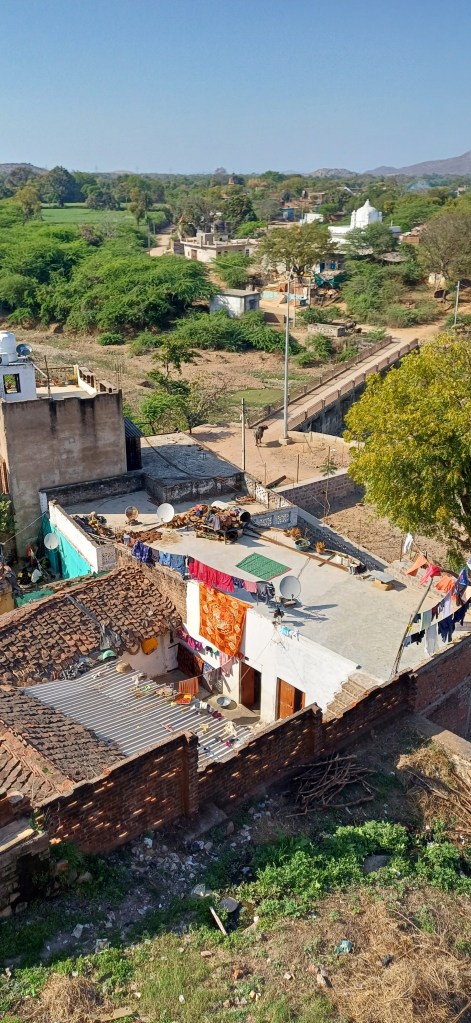
The situation seems to be the same even in the rural areas that I visited, the small villages we walked through were also littered with rubbish, much of it plastic. Plastic waste is a whole other issue, its effect on the environment both in India and globally.
I only traveled through a small section of India, it may be that things are better in other areas, I really hope so.
The Indian Government have introduced various initiatives over the years:
- Swachh Bharat Mission (SBM) focuses on Reduce, Reuse, Recycle.
- Waste to Wealth Mission. To promote and encourage innovative technology solutions to waste management and achieve a zero landfill and zero waste nation.
- Lots of other projects and initiatives to encourage community participation and move towards sustainability in waste management and recycling.
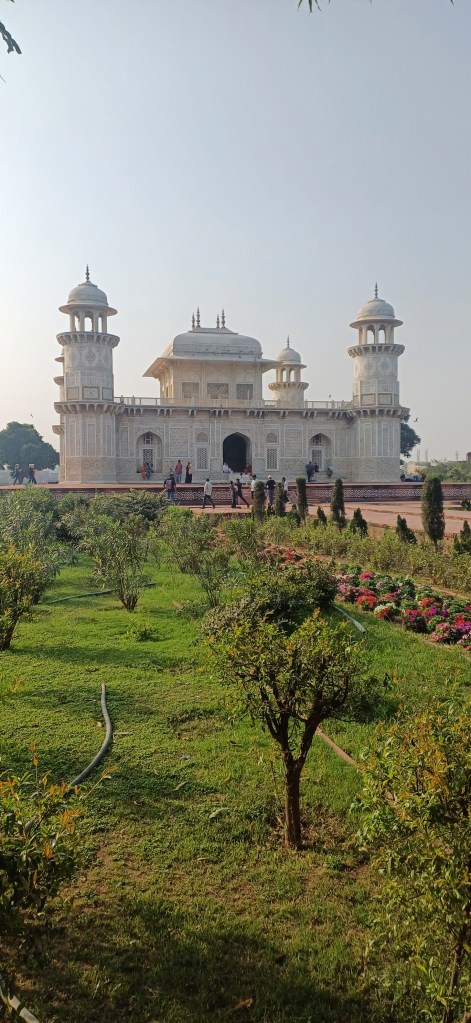
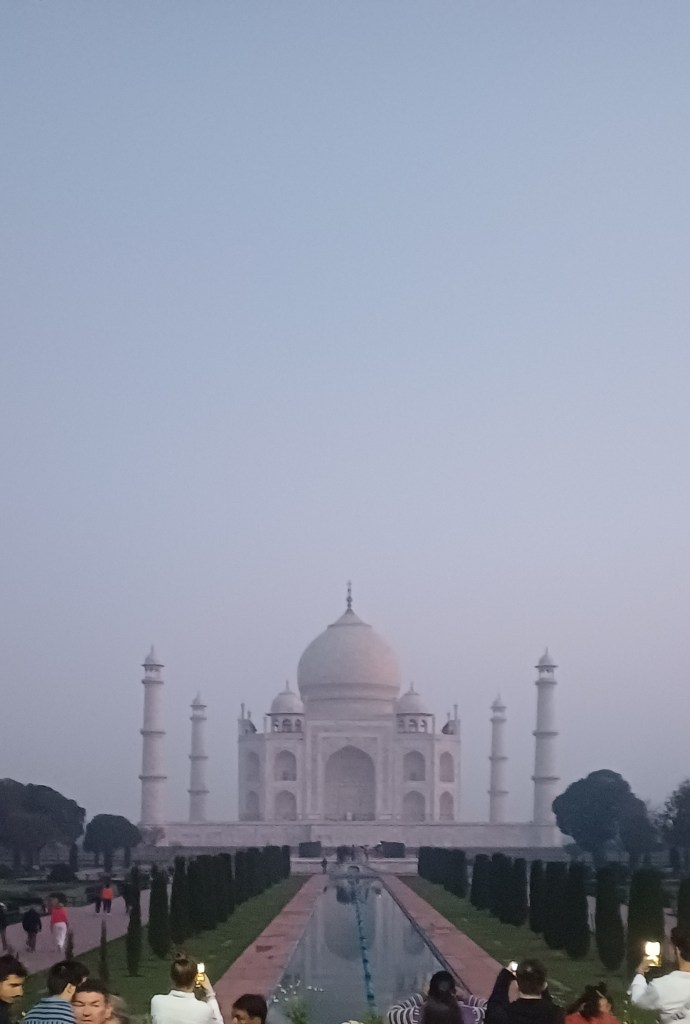
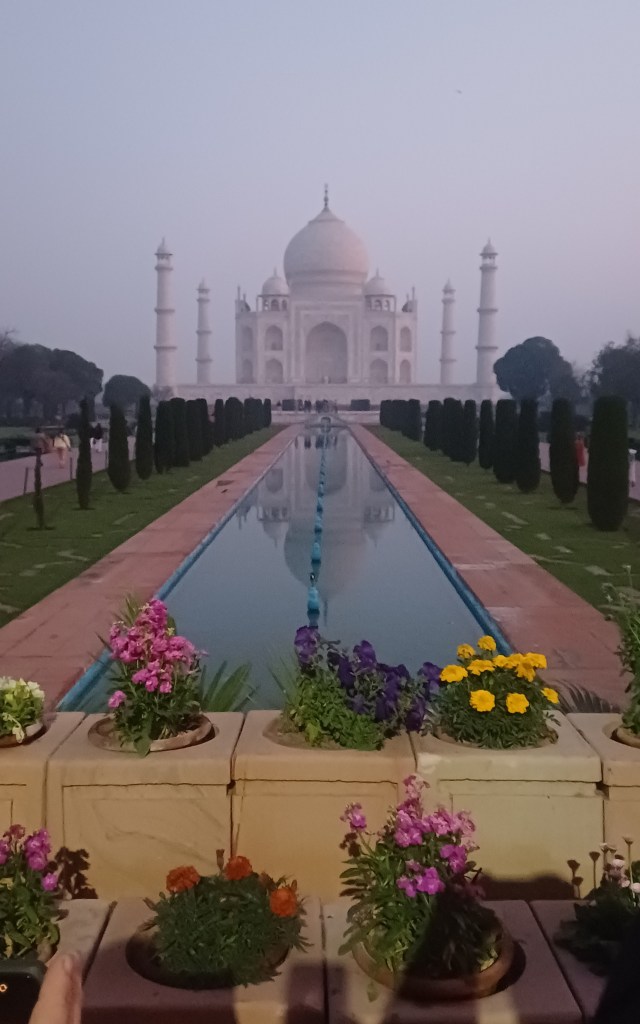
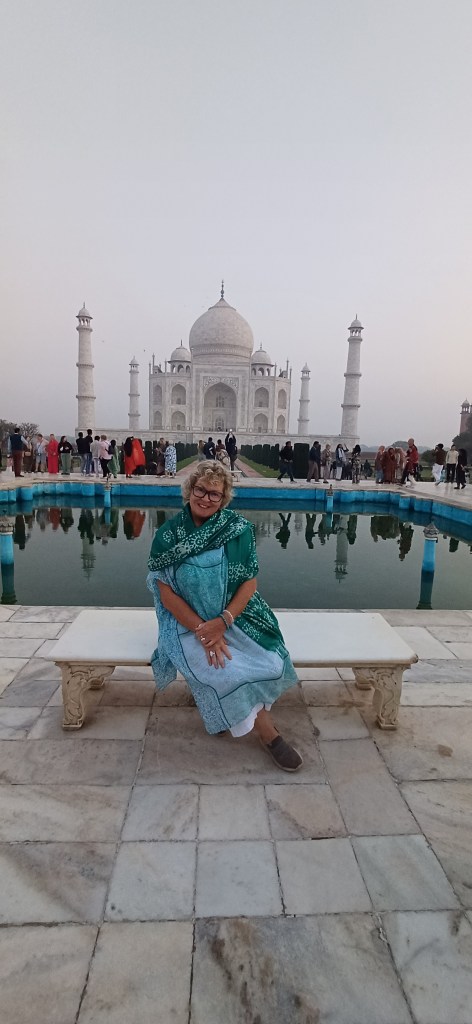
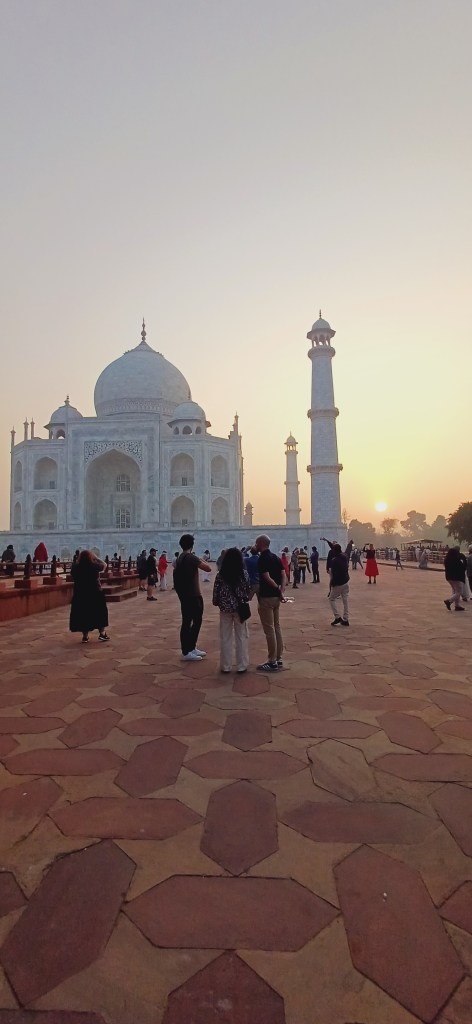
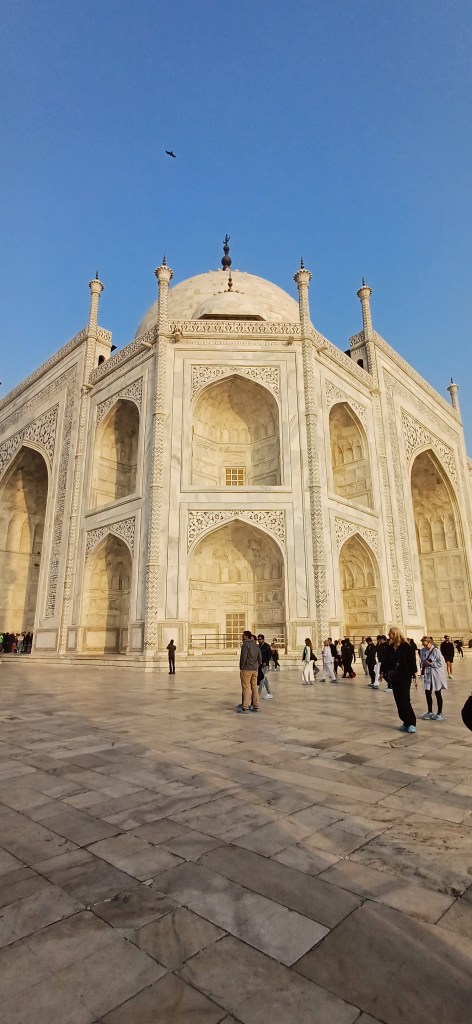
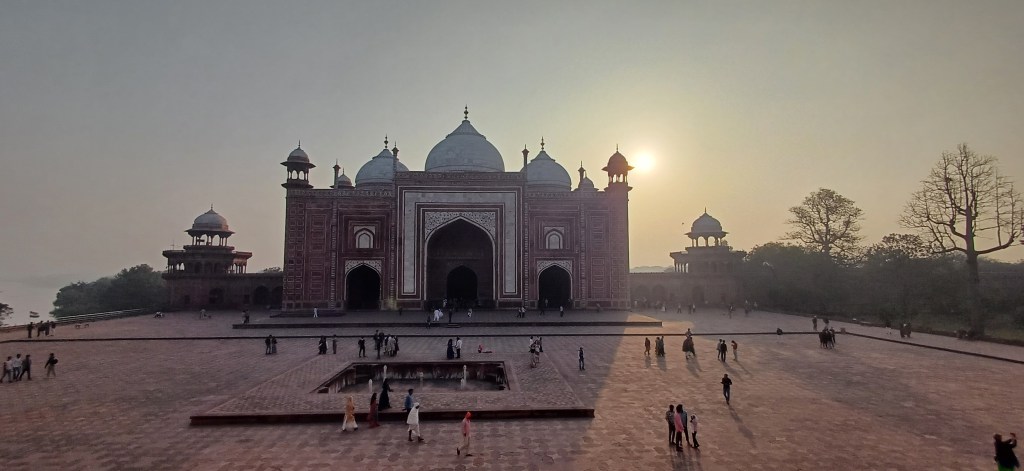
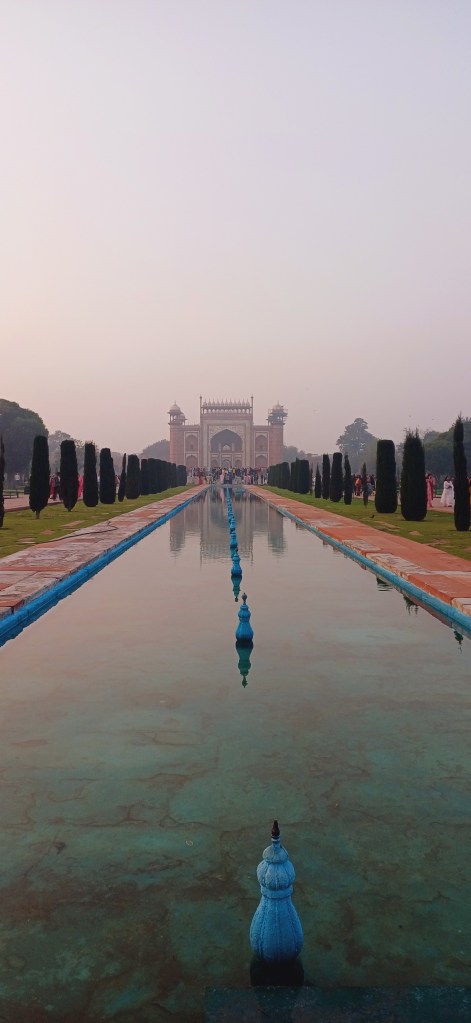
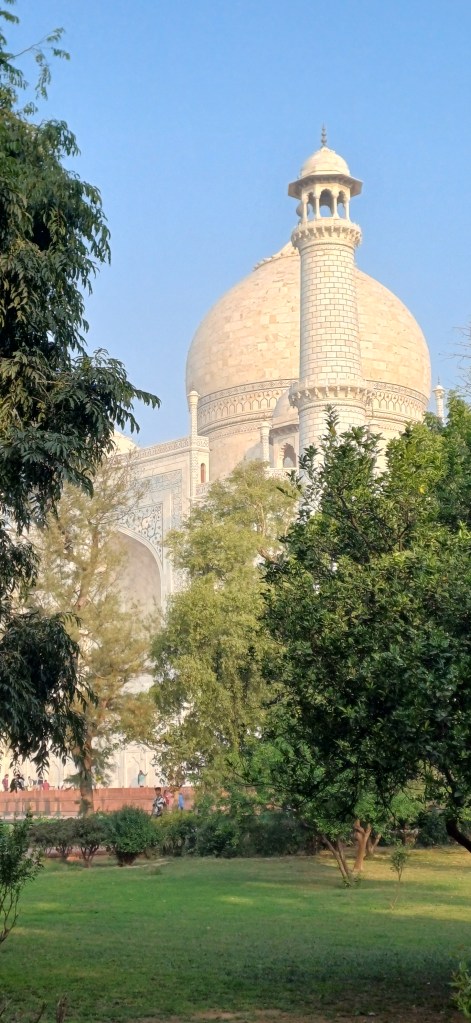
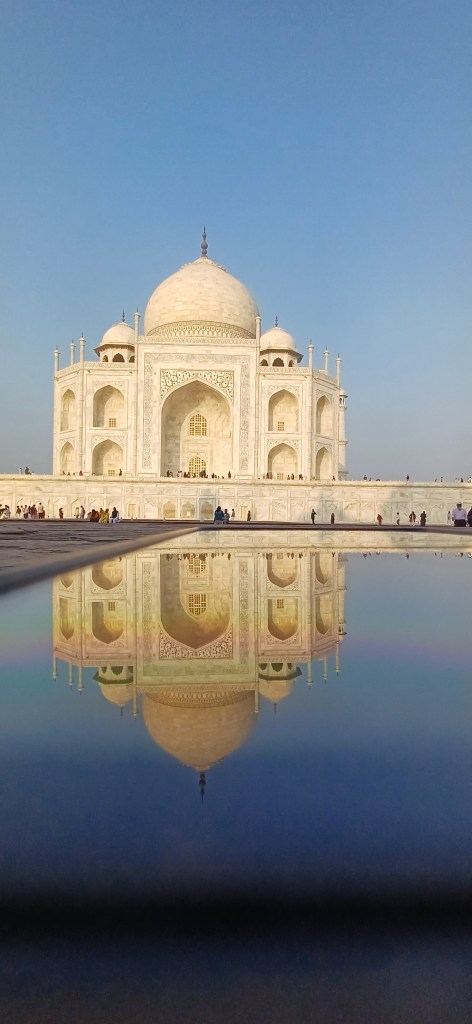
I was lucky enough to see the wonder that is The Taj Mahal in all its stunning glory. Sometimes, however, it is impossible to see it through the fog of pollution. That’s tragic.
I have travelled through many countries and seen rubbish and pollution but truly not on the same scale as India. It is something that stays with you.
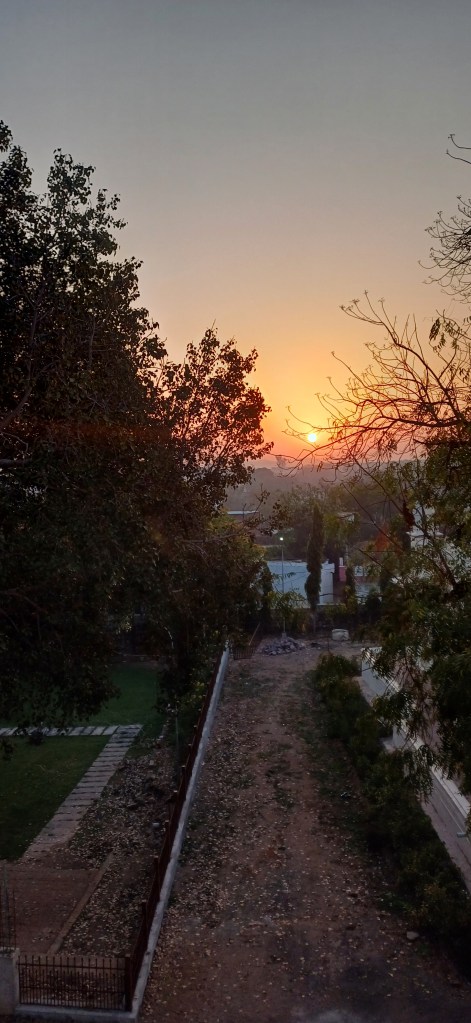
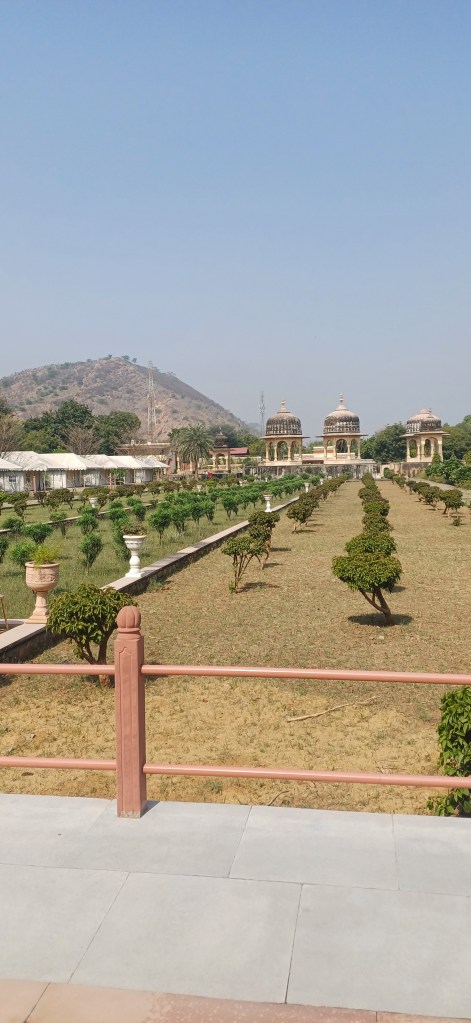
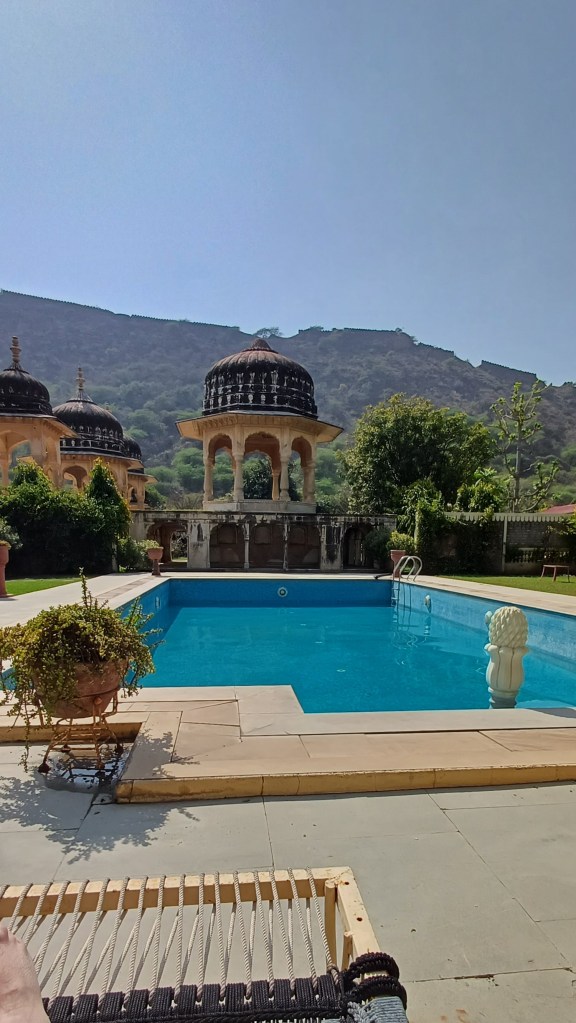
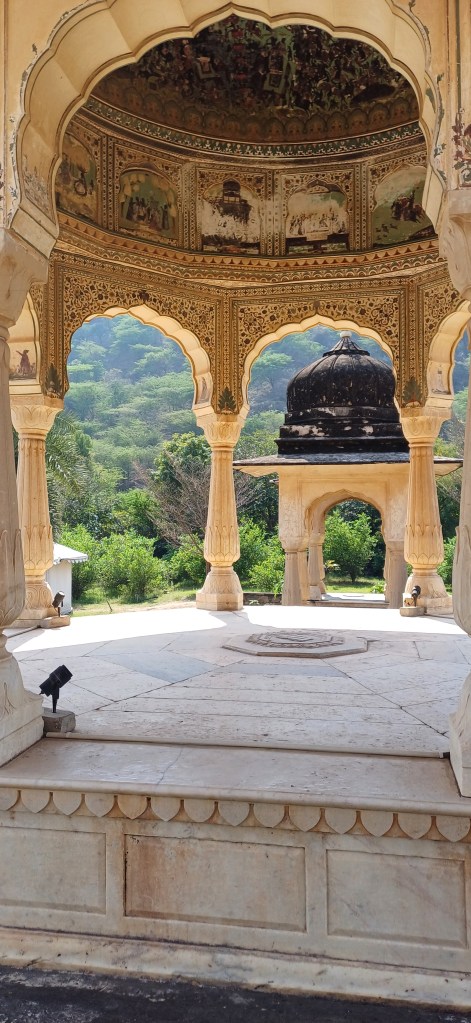
This is incredibly sad as the country is beautiful, but sometimes that beauty is buried under a layer of dust, pollution and rubbish.
Unless there is a major shift in mindset and a greater commitment from Government I fear that the state of public spaces in India and the high levels of pollution will continue to get worse.











































































 Hereandthereclaire.com